


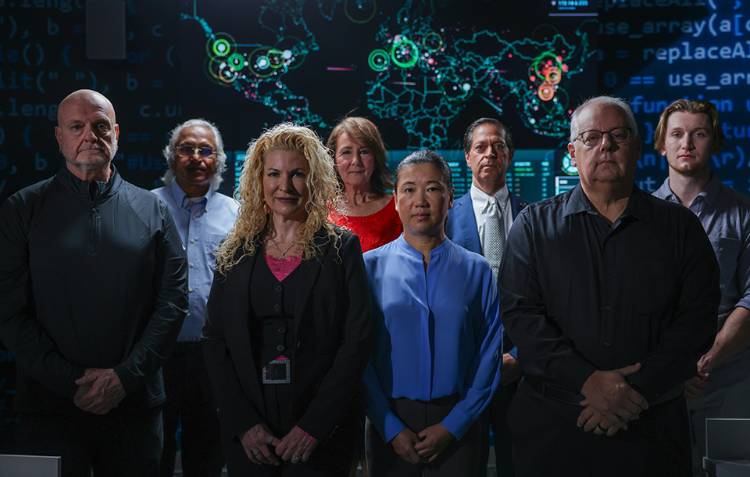
3rd Annual Cybersecurity Graduate Research Symposium
Thursday, October 30, 2025
NSU's College of Computing, AI, and Cybersecurity is hosting its annual Cybersecurity Graduate Research Symposium. Computing Alumni will have the opportunity to present and showcase their research. We are excited for students, faculty, and the community to discuss innovative research! This event is free and open to all students, faculty, and community members to attend.
We encourage you to take advantage of the networking opportunities the symposium offers. Engage with fellow researchers and established faculty members, as they can provide valuable guidance and insights. During the symposium, lunch will be provided.
Scotch Tasting
Following the symposium, NSU will host a Scotch tasting, networking, and social reception in the NSU Faculty Club.
Deadlines:
Application opens: August 1, 2025
Application closes: Extended to October 10, 2025
Presentation Types
Virtual: Presenters will have the option to present via Zoom.
In-Person: The in-person event will be held in the Cortex Labs at NSU.
All presentations will be 20 minutes long, followed by 5 minutes for questions and answers.
Presenter Information
During the symposium, you will have the opportunity to deliver a presentation on your research, followed by a question-and-answer session. The event will allow for interdisciplinary interactions and fostering a vibrant scholarly community. Please be sure to submit your information before the deadline of September 30, 2025. If your presentation is accepted, you will be paid a $500 honorarium for attending and presenting at the sympoisum.
Location Information
Nova Southeastern University - Cortex Labs (3rd Floor of Mailman Hollywood Building)
Mailman Hollywood Building - 7001 Mary McCahill Dr, Davie, FL 33314
2025 Symposium Agenda and Presentations
Regional Community Engaged Learning to Support First Responders by Michael Lehrfeld
The Threat of Ransomware to Critical Infrastructure by Heriberto Acosta-Maestre
2024 Symposium Agenda and Presentations
A Universal Cybersecurity Competency Framework for Organizational Users by Patricia Baker
Cyber-Security Synthetic Data with Generative AI Gemini by Thuan Nguyen
2023 Symposium Agenda and Presentations
An Empirical Examination of the Computer Security Behaviors of Telecommuters Working with Confidential Data through Leveraging the Factors from Fear Appeals Model (FAM) by Titus Dohnfon Fofung, Ph.D.